Finding the right addiction treatment center can be a pivotal step on the road to recovery. In San Francisco, a variety of treatment options are available, each designed to meet the unique needs of individuals struggling with substance use disorders. This guide will help you navigate the landscape of addiction treatment centers in 2026, covering essential information to empower your decision-making process.
Types of Treatment Centers
Residential Treatment Centers
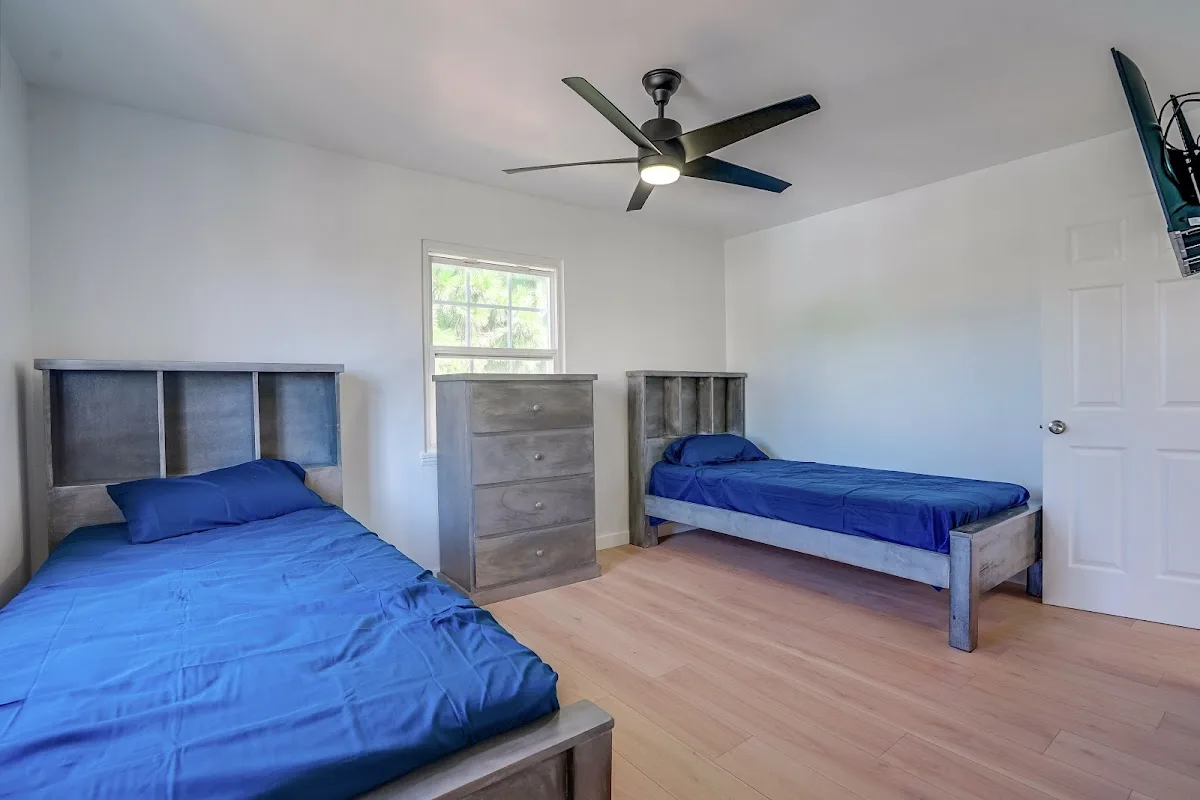
Residential treatment centers provide a structured environment where individuals can live and receive intensive support around the clock. These centers often focus on holistic recovery and offer a range of therapeutic activities, making them suitable for those with severe addictions.
Programas de Hospitalização Parcial (PHP)
PHPs are designed for individuals who require intensive treatment but do not need 24-hour supervision. Patients attend therapy sessions during the day and return home in the evenings. This approach allows for more flexibility while still providing substantial support.
Programas Intensivos de Tratamento Ambulatorial (IOP)
IOPs offer a less intensive level of care compared to PHPs and residential centers. These programs typically involve several hours of therapy each week and are suitable for individuals who have a stable home environment and support system but still need guidance in their recovery journey.
How to Evaluate Quality of Care
When assessing treatment centers, it's crucial to consider several factors to ensure you receive the best care possible:
- Staff Credentials: Verify that the treatment team is qualified and experienced in addiction treatment.
- Patient-to-Staff Ratio: Uma proporção menor geralmente indica uma atenção mais personalizada.
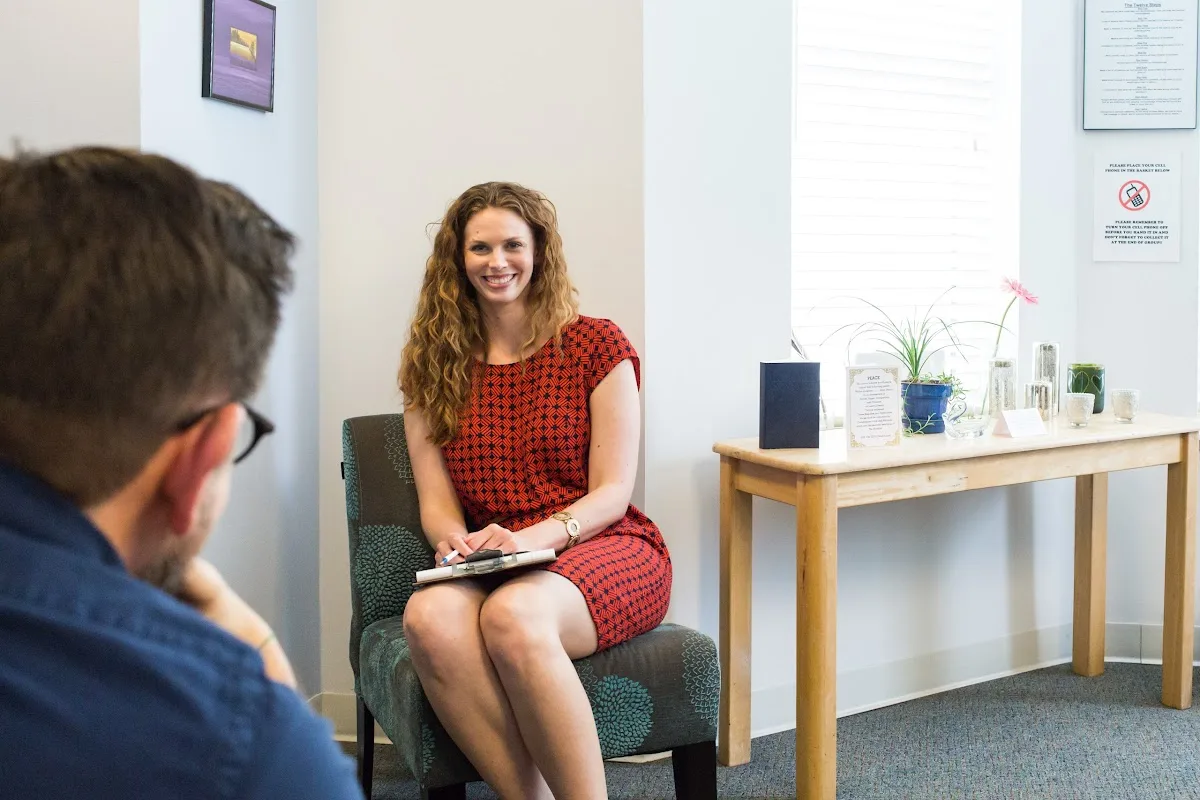
- Abordagens terapêuticas: Look for a center that utilizes evidence-based practices, such as cognitive-behavioral therapy (CBT) or motivational interviewing.
- Suporte pós-venda: Evaluate the aftercare options provided to support long-term recovery.
Accreditation
Accreditation from reputable organizations indicates that a treatment center meets specific standards of care. In San Francisco, look for centers accredited by:
- Commission on Accreditation of Rehabilitation Facilities (CARF)
- The Joint Commission
These accreditations ensure that the facility adheres to best practices and provides high-quality services.
What to Expect During Admission
The admission process can vary by facility, but generally includes:
- Avaliação inicial: A comprehensive evaluation to determine the appropriate level of care.
- Medical Evaluation: A physical examination to assess any health concerns related to substance use.
- Personal History: Gathering information about your addiction history, mental health, and social circumstances.
It's essential to be honest during this process to ensure you receive the best possible treatment tailored to your needs.
Average Cost and Length of Stay
The cost of addiction treatment in San Francisco can vary significantly based on the type of facility and level of care:
- Residential Treatment: Average cost ranges from $20,000 to $60,000 for a 30-day stay.
- PHP: Costs typically range from $10,000 to $30,000 for a 30-day program.
- IOP: Average costs are about $5,000 to $15,000 for a 30-day duration.
Length of stay can also vary, with most programs lasting from 30 to 90 days, though some individuals may require longer stays based on their specific circumstances.
Insurance-Accepted Facilities in San Francisco
Many treatment centers in San Francisco accept various insurance plans. It’s advisable to contact the facility directly to confirm coverage and learn about any out-of-pocket costs. Major insurance providers often accepted include:
- Blue Cross Blue Shield
- Aetna
- United Healthcare
- Cigna
State-Funded Options
For individuals who may not have insurance or the financial means to pay for treatment, there are state-funded options available. Programs like the California Department of Health Care Services provide resources to help individuals access low-cost or free treatment services. Contact local community health centers for more information on available options.
Planejamento de cuidados pós-operatórios
Aftercare is a critical component of the recovery process. Many treatment centers offer aftercare planning services, which may include:
- Terapia contínua: Ongoing individual or group therapy sessions.
- Grupos de apoio: Access to groups such as Alcoholics Anonymous (AA) or Narcotics Anonymous (NA).
- Relapse Prevention Programs: Strategies and support to help maintain sobriety.
How to Get Started
Taking the first step towards recovery can feel daunting, but it is also incredibly empowering. Here’s how to get started:
- Research Treatment Centers: Use online resources or speak with a healthcare professional to find suitable options in San Francisco.
- Entre em contato: Contact the centers you’re interested in to ask questions about their programs, staff, and admissions process.
- Consult with Loved Ones: Discuss your options with family or friends who can offer support during this journey.
- Take Action: Once you’ve made a decision, move forward with the admission process and commit to your path to recovery.
Remember, you are not alone in this journey. Seeking help is a courageous step towards a healthier, more fulfilling life.
More Recovery Resources in San Francisco
- Family Support & Addiction Resources in San Francisco
- Medication-Assisted Treatment (MAT) in San Francisco: Suboxone, Vivitrol & More (2026)
- How to Choose the Right Sober Living Home in San Francisco
- Browse San Francisco Sober Living Homes
- Find San Francisco Detox Centers
- Obtenha ajuda gratuita agora
Sober Network is a directory, not an intake form. Explore local facilities and contact providers directly.