When a loved one is struggling with addiction, it affects not just the individual but the entire family. Understanding how to support them while also taking care of yourself is crucial. In San Francisco, there are numerous resources available to help families navigate this challenging journey. This guide will highlight some key support systems, strategies for intervention, and the importance of setting healthy boundaries.
Al-Anon and Nar-Anon Meetings in San Francisco
For families and friends of individuals dealing with alcohol and narcotics addiction, Al-Anon and Nar-Anon offer invaluable support. These groups provide a safe space for sharing experiences, challenges, and coping strategies.
- Al-Anon: Focuses on the family members of those struggling with alcohol dependency. Meetings in San Francisco are held regularly, providing a compassionate environment for sharing and healing.
- Nar-Anon: A support group for families and friends of those struggling with drug addiction. Similar to Al-Anon, Nar-Anon meetings allow participants to connect with others facing similar challenges.
Both organizations emphasize the importance of understanding addiction as a family disease, fostering a sense of community and shared healing among participants.
How to Do a Proper Intervention
Conducting an intervention can be a delicate process. It is essential to approach the situation thoughtfully and compassionately. Here are some steps to consider:
- Gather Information: Educate yourself about addiction and its effects. Understand what your loved one is facing.
- Prepare a Plan: Involve trusted family members and friends. Decide who will speak and what they will say.
- Choose the Right Time: Find a moment when your loved one is sober and in a calm environment.
- Express Care: Emphasize your love and concern. Use "I" statements to convey how their addiction affects you.
- Offer Solutions: Present treatment options and express your willingness to support their journey.
Remember that interventions can be emotional and challenging, so consider seeking guidance from a professional interventionist.
Setting Healthy Boundaries
Establishing boundaries is vital for both your well-being and the recovery of your loved one. Healthy boundaries help you maintain your emotional health while also encouraging your loved one to take responsibility for their actions. Here are some tips:
- Communicate Clearly: Be straightforward about what behaviors you will and will not tolerate.
- Be Consistent: Stick to the boundaries you set to reinforce their importance.
- Practice Self-Care: Ensure you are looking after your own mental and emotional health.
Boundaries are not walls; they are guidelines that help protect you and encourage your loved one to seek help.
Enabling vs. Supporting
It’s crucial to understand the difference between enabling and supporting. Enabling often involves actions that allow the addiction to continue, while supporting encourages recovery and accountability.
- Enabling: Providing financial support for drugs or alcohol, covering up for your loved one, or making excuses for their behavior.
- Supporting: Encouraging treatment, attending support meetings, and celebrating small victories in recovery.
By recognizing the fine line between enabling and supporting, you can create a more constructive environment for your loved one.
Understanding Addiction as a Family Disease
Addiction impacts the entire family system. It’s essential to recognize that everyone is affected, and healing often requires a collective effort. Understanding addiction as a family disease involves:
- Recognizing Patterns: Identifying how family dynamics may contribute to or perpetuate the addiction.
- Encouraging Open Dialogue: Fostering communication about feelings, fears, and concerns within the family.
- Seeking Family Therapy: Engaging in therapy sessions that include all family members to address the collective impact of addiction.
This perspective can help families unite in support of recovery, enhancing the chances of success.
Families for Addiction Recovery
Families for Addiction Recovery (FAR) is a valuable resource for families seeking guidance and support. They offer educational workshops, community outreach, and support groups tailored to families affected by addiction. Joining FAR can help you connect with others who are on a similar journey, providing a network of understanding and compassion.
The CRAFT Approach
The Community Reinforcement and Family Training (CRAFT) approach is an evidence-based method designed to help families motivate their loved ones to seek treatment. CRAFT emphasizes:
- Positive Reinforcement: Encouraging positive behaviors and rewarding them.
- Effective Communication: Teaching families how to communicate in a non-confrontational manner.
- Self-Care for Family Members: Ensuring that family members prioritize their own mental health.
CRAFT has proven to be effective in increasing the likelihood of an individual seeking help for their addiction.
Family Therapy Options in San Francisco
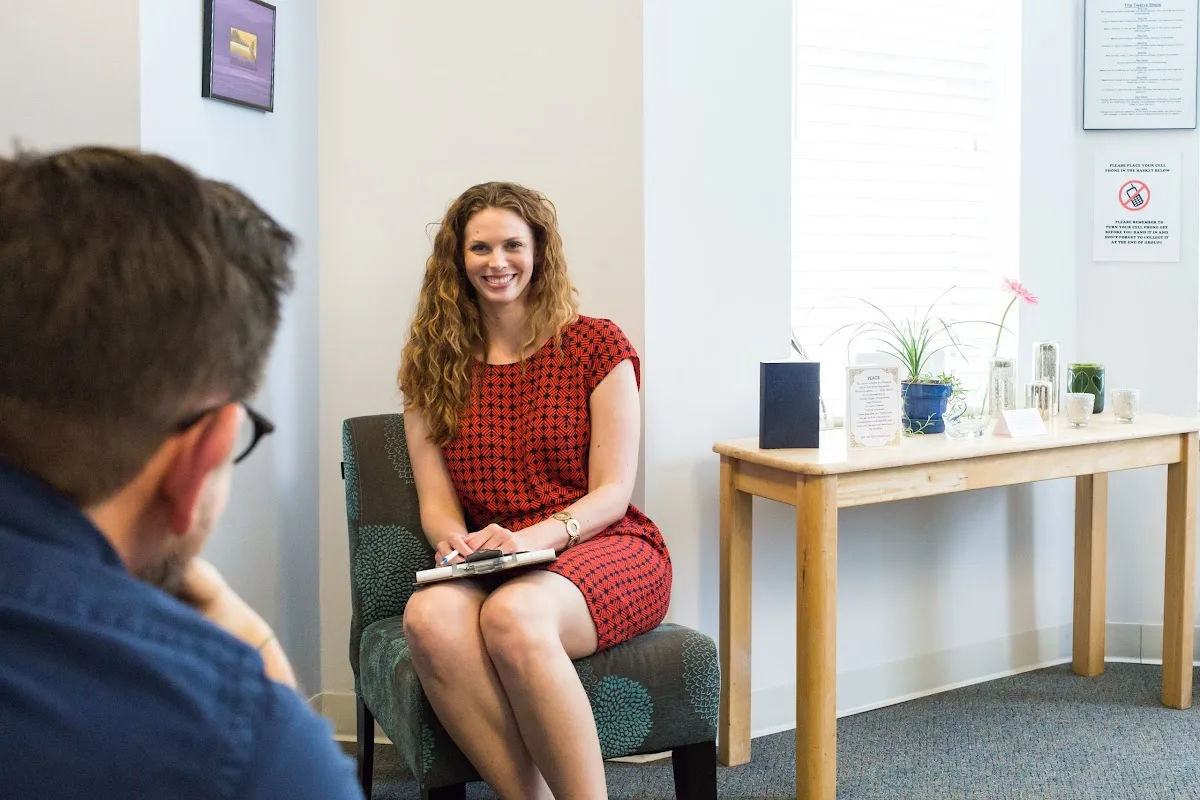
Family therapy can be a powerful tool in addressing the dynamics of addiction. In San Francisco, there are various options available:
- Individual Therapy: One-on-one sessions with a therapist specializing in addiction and family dynamics.
- Group Therapy: Participating in therapy with other families facing similar challenges.
- Couples Therapy: Focusing on the relationship dynamics affected by addiction.
These therapeutic options can help families heal together and develop healthier relationships.
Self-Care for Family Members
Finally, taking care of yourself is essential. The journey of supporting a loved one with addiction can be emotionally draining. Consider these self-care strategies:
- Engage in Hobbies: Pursue interests that bring you joy and fulfillment.
- Practice Mindfulness: Techniques such as meditation or yoga can help reduce stress.
- Seek Support: Connect with friends, support groups, or therapists to share your experiences.
Prioritizing your well-being will empower you to be a more effective support for your loved one while navigating the complexities of addiction recovery.
More Recovery Resources in San Francisco
Sober Network is a directory, not an intake form. Explore local facilities and contact providers directly.