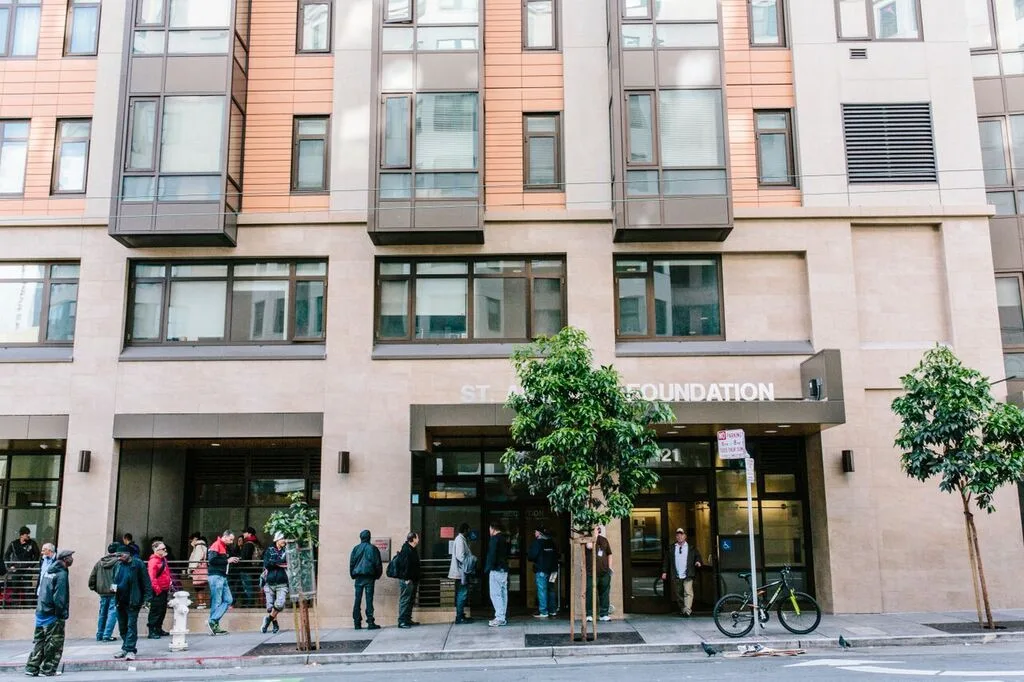
Detoxing from substance use can be a challenging process, especially in a bustling city like San Francisco. Understanding the medications available for detoxification is crucial as it helps manage withdrawal symptoms safely and effectively. This guide aims to provide an overview of common detox medications used in San Francisco, helping individuals make informed decisions about their recovery journey.
Understanding Detox Medications
The process of detoxification involves removing toxins from the body, which can lead to a range of withdrawal symptoms depending on the substance and duration of use. Detox medications are prescribed by medical professionals to alleviate these symptoms, making the process more manageable and safer.
Commonly Used Medications
In San Francisco, several medications are commonly used during detoxification processes:
- Methadone: Often used for opioid withdrawal, methadone helps reduce cravings and ease withdrawal symptoms without causing the high associated with other opioids.
- Buprenorphine: Another medication for opioid addiction, buprenorphine is less likely to cause a high than full agonist opioids like heroin or morphine. It can be used in combination with naloxone (Suboxone) to prevent misuse.
- Naltrexone: Used primarily after the detox phase, naltrexone blocks opioid receptors and reduces cravings without causing withdrawal symptoms.
- Acepromazine: Sometimes used for alcohol detoxification under medical supervision to manage agitation and anxiety.
The Role of Medical Supervision
Making the decision to undergo detoxification is a significant step towards recovery, but it must be done safely. Seeking professional help through qualified medical providers ensures that individuals receive appropriate care tailored to their specific needs. Detox medications should only be administered under close supervision by healthcare professionals who can monitor vital signs and adjust treatment plans as necessary.
Support Services in San Francisco
San Francisco offers a variety of support services for those undergoing detoxification, including:
- Inpatient Detox Facilities: These facilities provide round-the-clock medical care and supervision during the withdrawal process. They are equipped to handle severe cases where close monitoring is essential.
- Outpatient Programs: For individuals who require less intensive support, outpatient programs offer flexibility while still providing necessary medications and counseling services.
Using Sober Network for Recovery Resources
The Sober Network serves as a valuable resource directory for people seeking recovery options in San Francisco. It lists various treatment centers, clinics, and support groups that cater to different needs and preferences. By browsing through the available listings on Sober Network, individuals can find providers offering detox services with medication-assisted therapy.
Contacting Qualified Providers
It's important for anyone considering detoxification to contact qualified medical professionals directly. Each individual’s situation is unique, requiring personalized care and treatment plans. Providers can offer detailed information about available medications, their effectiveness, potential side effects, and the overall recovery process.
Safety Anchors
Detoxing from substances should always involve professional guidance to ensure safety and success. Remember:
- National Suicide Prevention Lifeline (988): Call this number if you are experiencing a crisis or need immediate support.
- SAMHSA Treatment Locator: Use the Substance Abuse and Mental Health Services Administration’s website to find treatment facilities across the United States, including San Francisco.
- Medical Supervision: Always consult with qualified medical professionals when considering detoxification medications or any other form of treatment.
By taking these steps and utilizing available resources, individuals can make informed decisions about their recovery journey in San Francisco. Remember, the first step towards healing is acknowledging the need for help and reaching out to those who can provide it.
Sober Network is a directory, not an intake form. Explore local facilities and contact providers directly.